

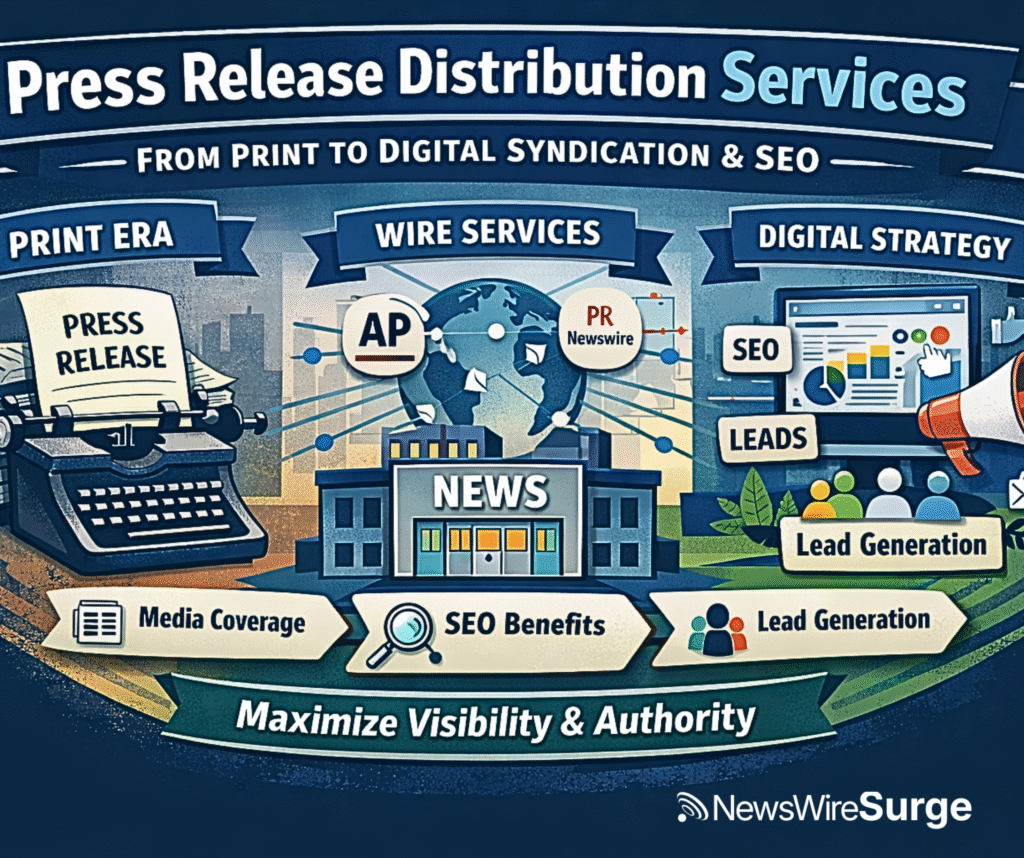

How Press Release Distribution Began in the Early 20th Century
Press release distribution as we understand it today traces its origins to the early twentieth century. During that period, communication between organizations and the public was frequently unclear, guarded, and susceptible to misinterpretation.
In 1906, Ivy Lee, widely regarded as one of the founding fathers of modern public relations, fundamentally transformed the way companies engaged with journalists and the media.
Following the tragic Ludlow Massacre, where striking coal miners and their families were killed during a violent confrontation in Colorado, Lee advised the Pennsylvania Railroad (and its owner, John D. Rockefeller Jr.) to abandon the traditional practice of secrecy and selective disclosure. Instead, he recommended providing journalists with clear, factual, and transparent information.
The result was what most historians consider the first modern press release distribution document: a concise, well-structured statement that presented verified facts. This includes direct quotes from company officials, and invited reporters to seek additional clarification if needed. You can read more about Ivy Lee’s pioneering work on the Wikipedia page about Ivy Lee.
This single act was revolutionary.
Before Lee’s intervention, most corporate communications were either tightly controlled propaganda or complete silence. By choosing transparency and timeliness, Lee demonstrated that organizations could shape public perception more effectively by supplying journalists with accurate information rather than trying to hide unfavorable details.
Newspapers began publishing these early press release distribution documents almost verbatim because they saved editorial time. They also reduced the risk of factual errors, and provided credible source material.
The core principles Lee established, including clarity, honesty, timeliness, structured formatting, and relevance to the audience, remain the foundation of effective press release distribution. More than a century later, even as delivery methods have shifted from printed letters to global digital syndication networks.
Why Early Press Release Services Relied So Heavily on Trust and Clarity
In the early decades of the twentieth century, press release was almost entirely manual. Companies typed or printed statements, mailed them to local newspapers, delivered them in person, or sent them via telegraph. Reach was limited to the circulation area of individual publications, and success depended heavily on personal relationships with editors.
Despite these constraints, organizations quickly learned that a professionally written press release distribution document could generate widespread coverage if it adhered to journalistic standards.
Editors appreciated releases that were concise, fact-based, and written in an inverted-pyramid style, with the most important information presented first, because they required minimal rewriting.
It was discovered how poorly crafted releases were usually discarded or heavily edited, which meant companies had strong incentives to invest in clear, professional writing from the beginning. Learn more about writing effective press releases in our guide: How to Write an Effective Press Release.
Beyond Simple announcements
During this formative period, press release distribution began to serve multiple strategic purposes beyond simple announcements. Businesses used it to introduce new products, report financial results, explain management changes, announce expansions, and manage crisis situations even relatively minor news items were framed in ways that highlighted broader relevance, helping editors see the story’s value to their readers.
This early recognition that press release distribution was not just an internal memo but a public-facing communication tool helped establish its role as a cornerstone of corporate reputation management and media relations.
One of the most important lessons from the early era of press release distribution was the power of trust. When companies provided accurate, verifiable information promptly, journalists were more likely to publish it and portray the organization favorably. Conversely, secrecy or exaggeration damaged credibility and often led to negative coverage or complete silence. This dynamic encouraged organizations to treat press release distribution as a long-term relationship-building activity rather than a one-off promotional tactic.
Over time, consistent use of high-quality press release built a reputation for reliability and transparency, qualities that are still among the most valuable assets any brand can possess in today’s media landscape.
The Role of Transparency in Early Press Release Distribution
Early press release distribution also played a subtle but important role in shaping the public perception of corporate responsibility. By providing factual updates and insights, companies could demonstrate accountability and social awareness. This practice helped lay the groundwork for modern corporate social responsibility communication, which often relies on press release to announce community initiatives, charitable programs, or industry-impacting research.
In this way, press release distribution documents were not merely instruments for self-promotion but became a credible way for organizations to participate in public discourse, building trust over time through consistent, reliable communication.
The institutionalization of press release distribution
Companies recognized that press release distribution could achieve wider reach through strategic relationships with newspapers by cultivating rapport with editors and journalists, organizations increased the likelihood that their releases would be noticed, published, and amplified.
This era also saw the emergence of the first corporate public relations departments, which centralized the creation, approval, and distribution of press releases, these teams were tasked with ensuring that every release adhered to editorial standards, reflected the company’s messaging accurately, and was delivered to the right contacts promptly. The institutionalization of press release distribution creation and distribution demonstrated that the practice was not just a one-off tool but a critical component of organizational communication strategy. In reflecting on the early history of press release, it becomes clear that its evolution was driven by a combination of necessity and innovation.
Companies needed a reliable method to communicate with the public, journalists needed accurate information that could be trusted, and audiences desired clarity and transparency. The press release distribution document fulfilled all these requirements and became an enduring tool of corporate communication. Its principles, including timely, factual, and well-structured messaging, formed the blueprint for what would eventually become professional press release, modern SEO-focused releases, and sophisticated digital syndication practices that reach global audiences today.
The Rise of Wire Services in Press Release Distribution
By the 1920s and 1930s, as the demand for faster, wider-reaching communication grew, press release distribution evolved beyond manual letters and telegraphs. Businesses and public relations professionals sought methods to distribute their messages to a larger number of journalists and newspapers more efficiently. This necessity gave rise to wire services, which became a pivotal innovation in the history of press release distribution.
Wire services such as the Associated Press, United Press International, and later commercial services like PR Newswire allowed organizations to send press release distribution documents electronically to multiple media outlets simultaneously. This represented a dramatic shift from localized communication to near-instantaneous national coverage, setting the stage for modern syndication. Read more about the history of wire services on the Public Relations Society of America (PRSA) article.
Wire services worked on the principle of trust and verification, mirroring the values established by Ivy Lee decades earlier. A company could submit a press release distribution document through a wire service, and the service would ensure that the content adhered to journalistic standards before it reached editors. The editors, in turn, trusted these networks because they consistently delivered accurate, well-formatted, and relevant content. This system drastically reduced the chances of a press release document being ignored or dismissed due to poor presentation or credibility concerns. By standardizing the distribution process, wire services professionalized press release distribution communication, allowing organizations of all sizes to reach regional and national audiences more effectively than ever before.
During corporate milestones
During this era, press release distribution was no longer just about announcing corporate milestones or financial results. Organizations began leveraging it to shape public perception, manage crises, and influence consumer behavior. The ability to communicate quickly and widely meant that companies could respond to events, correct misinformation, or proactively tell their story before competitors or critics could dominate the narrative. For example, in the mid-20th century, automobile companies used press release distribution to announce safety innovations and product recalls, carefully framing the narrative to maintain consumer trust while addressing potential concerns. These releases combined factual reporting, expert quotes, and statistical data to communicate complex information in a concise and authoritative manner.
The expansion of wire services also contributed to the professionalization of public relations as a discipline. By the 1940s and 1950s, corporations increasingly established in-house PR departments staffed with professionals trained in writing, media relations, and strategic communication. These teams understood that press release distribution documents needed to meet editorial standards, reflect the company’s messaging accurately, and be delivered to the right contacts promptly. The institutionalization of press release distribution creation and distribution demonstrated that the practice was not just a one-off tool but a critical component of organizational communication strategy.
Fascinating example from this period involves the technology sector
One fascinating example from this period involves the technology sector. In the 1950s, companies in the emerging computing industry used press release distribution to announce advancements in hardware and software to both industry publications and mainstream newspapers. These releases were carefully crafted to explain complex innovations in plain language, often accompanied by charts or diagrams, making them accessible to both journalists and the general public. The result was that readers could understand not only the technical achievements but also the broader implications for society and business. This demonstrates an important lesson that persists today: the most effective press release distribution documents are those that contextualize information in a way that is relevant, understandable, and newsworthy.
The expansion of wire services did more than improve distribution; it changed the expectations of journalists and editors became accustomed to receiving press release distribution documents that were formatted consistently, contained reliable data, and presented information in a neutral tone. Consequently, businesses that failed to meet these standards risked rejection or minimal coverage.
The gatekeeping role of wire services encouraged companies to invest in professional writing, accurate reporting, and careful targeting, which further elevated the quality of corporate communication over time, organizations learned that press release distribution could not simply serve their own interests; it had to be crafted with the needs and expectations of the media audience in mind.
Wire Services ERA
By the 1960s and 1970s, wire services had become the dominant method for press release distribution in most industries. The system facilitated broader geographic reach, faster dissemination, and a higher likelihood of publication, particularly for companies without large PR departments or direct relationships with editors. Syndication allowed smaller businesses and startups to compete on a more level playing field with larger corporations, provided they followed professional standards and leveraged trusted networks. This democratization of press release distribution foreshadowed the even more dramatic transformations that digital technology would bring in the following decades.
The mid-century evolution of press release distribution also included strategic storytelling. Companies began framing their announcements not just as factual reports but as narratives that could capture attention, build reputation, and engage audiences emotionally. For instance, a beverage company might release information about a new product launch framed within a broader narrative about lifestyle, health, or innovation trends. This approach transformed press release documents from mere notifications into engaging content that resonated with both journalists and readers, a principle that remains central in modern digital press release distribution strategies.
Emphasis on transparency and corporate responsibility.
In parallel, the business world was experiencing a growing emphasis on transparency and corporate responsibility. Press release distribution became a tool for companies to communicate social initiatives, philanthropic efforts, and industry leadership. By consistently producing high-quality releases, organizations could establish credibility over time, building a reputation for reliability and thought leadership. This practice laid the foundation for the modern focus on press release distribution as a component of integrated marketing, content strategy, and lead generation, showing that even historical methods have enduring relevance.
The wire service era also introduced metrics for success, albeit in rudimentary form. Companies could track which newspapers and publications picked up their releases and assess the geographic and audience reach of their messages. Though analytics were not as advanced as today, businesses understood that some distribution strategies worked better than others and began to refine their approaches accordingly. They learned to optimize content, timing, and targeting to maximize impact, foreshadowing the data-driven strategies that define modern press release distribution.
Finally, the mid-20th century set the stage for digital transformation and as television and radio became mainstream, press release distribution documents were adapted for these new mediums, emphasizing brevity, clarity, and newsworthiness. Organizations began considering multimedia elements such as images, diagrams, and later video, as integral parts of their announcements. This evolution highlighted an enduring truth: press release distribution must evolve with media consumption habits to remain effective, a lesson that resonates as strongly in the age of online syndication, SEO, and social media amplification.
The Digital Transformation of Press Release
The late 1990s and early 2000s brought the most significant evolution in press release distribution since the invention of wire services. The rise of the internet, email, and online news platforms fundamentally changed how organizations communicated with journalists and the public. Traditional wire services adapted by launching digital networks, while new platforms such as PR Newswire Online, Business Wire Digital, GlobeNewswire, and later services like EIN Presswire and 24-7 Press Release emerged specifically for online syndication. These platforms allowed companies to distribute press release distribution documents to thousands of websites, news aggregators, industry blogs, and search engines simultaneously, reaching audiences that were previously inaccessible through print channels alone.
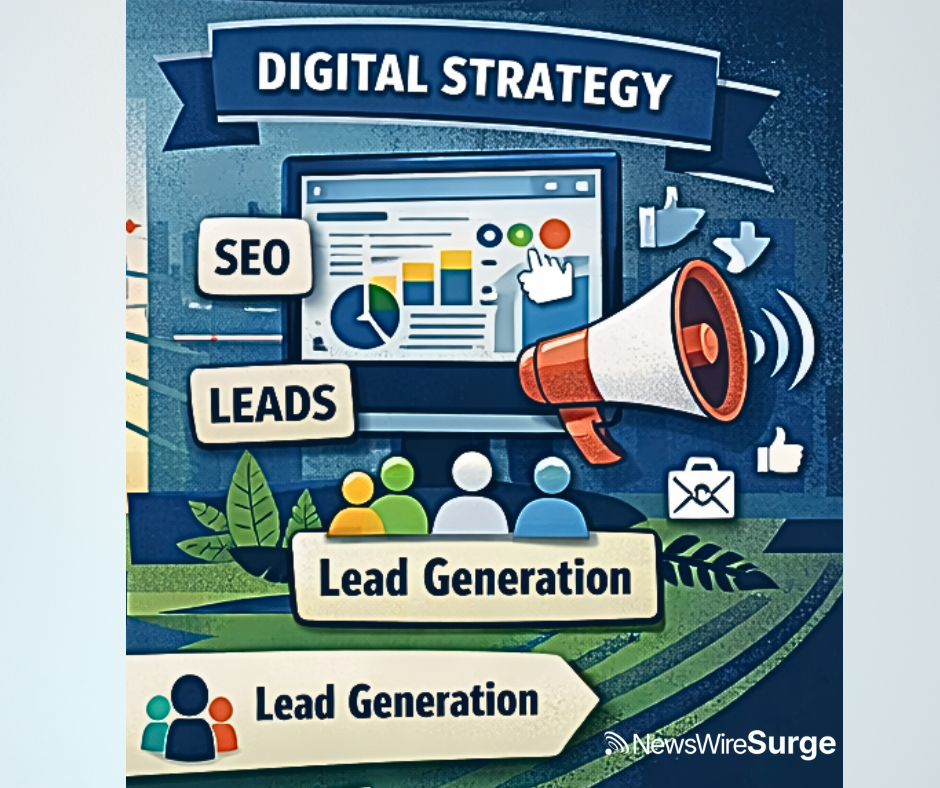
Digital press release distribution offered several transformative advantages. First, speed: a release could appear online within minutes of submission, enabling real-time crisis management and product launch announcements. Second, reach: instead of being limited to newspaper circulation areas, a single release could appear on hundreds or thousands of high-authority websites worldwide. Third, multimedia integration: companies could now embed images, videos, infographics, charts, downloadable PDFs, and interactive elements directly into the release, making content more engaging and shareable. Fourth, analytics: distribution platforms began providing detailed reports on pickup locations, geographic reach, referral traffic, and search engine visibility, allowing companies to measure ROI in ways that were impossible in the print era.
Integration of press release distribution with search engine optimization (SEO).
One of the most powerful developments was the integration of press release distribution with search engine optimization (SEO). When a release is syndicated across high-authority news sites, it generates valuable backlinks, brand mentions, and keyword-rich content that improves a website’s organic search rankings. Businesses quickly learned to include target keywords naturally in headlines, subheadings, and body text, turning press release into a dual-purpose tool for media coverage and long-term SEO authority. For example, a fintech startup announcing a new payment security feature could optimize its release for terms like “secure digital payments 2025” or “SME fraud prevention solutions,” driving sustained organic traffic long after the initial news cycle ended. Learn more in our guide: SEO Press Release Guide 2025.
Early adopters of digital press release distribution strategies quickly realized that timing, targeting, and content quality were more important than ever. A press release sent to the wrong audience or published on low-quality websites had little impact and could even harm credibility.
A strategically Timing
Conversely, a strategically timed release that aligned with industry trends, news cycles, or societal events could generate substantial attention, media pickup, and audience engagement. For instance, a healthcare company releasing research on vaccination trends timed the press release distribution to coincide with a public health awareness week, ensuring that the announcement aligned with broader conversations and captured greater attention from both media and readers.
The digital era also democratized access to professional press release distribution. Startups, small businesses, and nonprofit organizations could now achieve national or even global visibility without expensive PR agencies or direct media relationships. Services offered tiered pricing, targeting options (by industry, geography, publication type), and additional features like social media amplification, multimedia embedding, and lead capture forms. This accessibility transformed press release distribution from an elite corporate tool into an essential marketing channel for companies of every size.
Social media integration further extended the reach and lifespan of press release campaigns. Companies began sharing releases on LinkedIn, Twitter (now X), Facebook, and industry forums, encouraging shares, comments, and discussions. A well-timed release shared by influencers or industry thought leaders could generate thousands of views, backlinks, and brand mentions within hours. This social amplification created a feedback loop: increased visibility led to more shares, which led to more visibility, creating sustained momentum that traditional press release distribution could never achieve.
Digital Press Release Services
Modern press release distribution also emphasizes lead generation and conversion. Many platforms now allow companies to include gated content (e.g., downloadable reports, whitepapers, webinars) directly in the release. Readers who want the full document must provide their email address, turning media coverage into qualified leads. For example, a marketing agency distributing a release about emerging social media trends can offer a free downloadable guide, capturing contact information from interested prospects while establishing thought leadership. Explore our lead generation packages: Lead Generation Services.
Case studies from the digital era illustrate the power of modern press release distribution. A mid-sized software company released a statement about a new AI-powered productivity tool, optimized for keywords like “AI productivity software 2025” and distributed through a premium network with multimedia attachments. Within 48 hours, the release appeared on more than 200 high-authority sites, generated 12,000 website visits, improved search rankings for key terms by 40 positions, and produced 320 qualified trial sign-ups. This demonstrated that strategic digital press release distribution could simultaneously achieve media coverage, SEO gains, traffic, and measurable conversions, results that were impossible in the print or early wire-service eras.
The digital transformation of press release distribution also highlighted the importance of measurable ROI. Organizations could now track conversions, lead generation, website traffic, and search engine ranking improvements resulting directly from press release campaigns.
Investment in press release creation and distribution.
For marketing teams, this shift provided a tangible way to justify investment in press release creation and distribution. Modern press release distribution documents were no longer just tools for media coverage; they became integral to digital marketing, lead generation, and brand building strategies, bridging PR, SEO, and content marketing.
Finally, the digital era laid the groundwork for global syndication networks, where a single press release distribution document could be published simultaneously across dozens or hundreds of authoritative sites worldwide. This level of distribution was unimaginable in the print era and marked a fundamental evolution in the role and power of press release. Companies could now reach audiences in multiple countries, across multiple languages, and through multiple channels, turning press release into powerful tools for brand authority, SEO visibility, and strategic communication. The shift from localized, manual distribution to automated, global digital syndication represents one of the most significant milestones in the evolution of press release distribution, influencing how organizations approach media, marketing, and audience engagement to this day.
Modern Press Release Distribution Strategies, and Case Studies
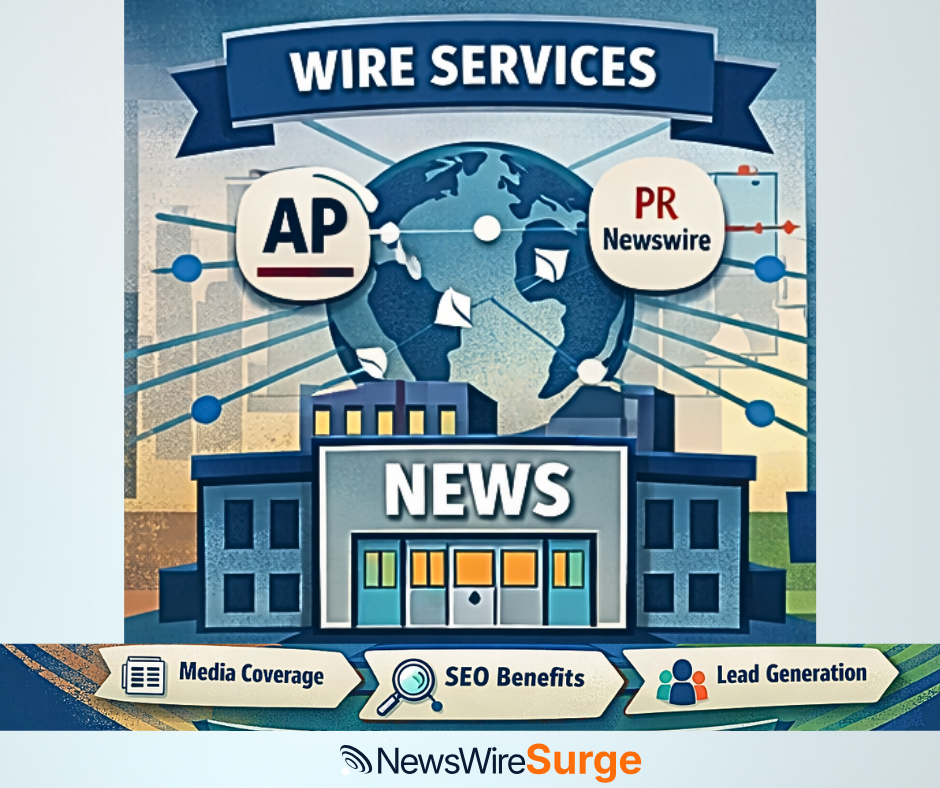
In today’s digital-first world, press release distribution has become far more than simple corporate announcements. It serves as a powerful marketing tool, SEO driver, lead generation engine, and strategic instrument for establishing authority. Modern press release distribution strategies build upon more than a century of evolution, incorporating principles from the print era, lessons from wire services, and innovations brought by digital distribution. Understanding these strategies allows businesses of all sizes to leverage press release distribution effectively, transforming each announcement into a multi-dimensional opportunity for visibility and growth.
One of the defining aspects of modern press release distribution is the emphasis on storytelling and context. Whereas early press release focused on delivering facts, modern releases prioritize narratives that resonate with audiences. A company’s announcement is framed within broader trends, societal developments, or industry challenges. For example, a small cybersecurity firm releasing a new threat assessment tool does not simply describe the product; it contextualizes the announcement within the growing prevalence of cyberattacks and the increasing vulnerabilities faced by small and medium-sized enterprises. This approach not only captures media attention but also makes the content relevant to readers and journalists, significantly increasing the likelihood of coverage.
Multimedia integration has also transformed press release distribution effectiveness. Modern releases often include images, infographics, videos, charts, and interactive content to enhance comprehension and engagement. A technology startup announcing a product update might include a short video demonstration alongside an infographic highlighting key performance improvements. These elements make the release more visually appealing, shareable across social media platforms, and more likely to be picked up by both mainstream and niche publications. Multimedia press release distribution, often referred to as “enhanced press release distribution,” became a standard practice for organizations seeking maximum impact in the online space.
Modern distribution networks
SEO has become a crucial component of press release distribution strategy in the digital era. Unlike traditional press release distribution, which relied solely on media pickup for visibility, modern releases contribute directly to search engine optimization. Syndicated press release distribution published across high-authority news sites generates valuable backlinks, brand mentions, and keyword-rich content that improves a website’s organic search rankings. By incorporating relevant keywords naturally in headlines, subheadings, and body text, businesses can maximize the long-term SEO benefits of every release. For example, a fintech startup announcing a new payment security feature could optimize its release for terms like “secure digital payments 2025” or “SME fraud prevention solutions,” driving sustained organic traffic long after the initial news cycle ended. Learn more in our guide: SEO Press Release Guide 2025.
Targeting remains one of the most critical factors in press release success. Modern distribution networks allow companies to segment audiences by industry, geography, publication type, and readership demographics. This precision ensures that press release distribution documents are delivered to the journalists, bloggers, and media outlets most likely to publish and engage with the content. Misaligned targeting, even for high-quality press release, can lead to minimal coverage or outright rejection.
Instances Given
For instance, a local community initiative press release distribution sent to national technology publications may be ignored entirely, whereas the same release distributed to regional media and lifestyle blogs is far more likely to be published and generate meaningful engagement.
Timing is another essential consideration. Modern press release distribution documents are often aligned with industry events, seasonal trends, product launches, or societal milestones to maximize relevance and visibility. Strategic timing increases the likelihood that journalists will notice the release and audiences will engage with it. A healthcare company releasing research on mental health trends might time the press release distribution to coincide with Mental Health Awareness Month, ensuring that the announcement aligns with broader conversations and captures greater attention from both media and readers.
Series of Real-World Case Studies
A series of real-world case studies illustrates the impact of modern press release distribution strategies. A mid-sized marketing consultancy distributed a press release announcing its annual industry report on digital marketing trends. Rather than framing the release solely as a company update, the firm highlighted key insights, challenges facing marketers, and actionable recommendations. The release was distributed through a professional network, targeting business, marketing, and industry publications, and included infographics summarizing survey results. Within days, the release appeared on multiple high-authority sites, website traffic increased by 45%, and hundreds of leads downloaded the full report through a lead magnet integration. The firm effectively converted press release visibility into tangible marketing results. Explore our services: Professional Press Release Distribution Services.
Another example involves a boutique software startup that released a press release about a new AI-powered productivity tool. The release included a short demo video, a downloadable user guide, and key statistics on productivity gains from beta users. By leveraging both professional distribution networks and social media amplification, the startup achieved coverage on technology blogs, industry publications, and regional news sites. The press release distribution not only increased brand awareness but also generated dozens of qualified trial sign-ups, demonstrating how modern releases can simultaneously drive media coverage and lead generation.
Modern Studies Benefits
Modern press release distribution also benefits from integration into broader marketing strategies. Companies increasingly treat press release distribution as part of a content ecosystem that includes blog posts, social media campaigns, email marketing, and lead magnets. Each press release serves multiple purposes: securing media coverage, improving SEO, driving website traffic, capturing leads, and establishing authority in a given industry. For instance, a press release announcing a sustainability initiative can be linked to a blog post with additional context, shared on social media to engage audiences, and connected to a downloadable guide or toolkit as a lead magnet. This multi-channel approach ensures that press release contributes to both short-term visibility and long-term marketing goals.
Analytics and Metrics
Analytics and performance tracking are now fundamental to modern press release distribution campaigns. Businesses can monitor which outlets picked up the release, which social channels amplified it, and how audiences engaged with the content. Metrics such as click-through rates, downloads, leads generated, website traffic, and search engine ranking improvements provide actionable insights for refining future campaigns. Data-driven iteration enables companies to optimize headlines, content structure, distribution timing, and targeting to maximize impact consistently. This shift to analytics transforms press release distribution from a one-off communication tool into a predictable, measurable marketing engine.
Lead generation is one of the most powerful outcomes of modern press release distribution strategies. By integrating downloadable guides, reports, templates, or tools into press release distribution, companies can convert visibility into qualified leads. For example, a financial consultancy distributing a release on emerging investment trends can include a CTA inviting readers to download a comprehensive report. This approach not only increases the release’s value to audiences but also builds the company’s marketing database, nurturing leads for long-term engagement and conversions. Explore our lead generation packages: Lead Generation Services.
Key lesson from modern press release distribution
A key lesson from modern press release distribution campaigns is that consistency builds authority. Organizations that release press content regularly establish recognition with journalists, search engines, and audiences. Repeated high-quality, newsworthy press release distribution positions a company as a reliable source of information, enhancing brand authority and long-term visibility. Over time, this consistency compounds, resulting in increased media coverage, improved search engine rankings, higher website traffic, and stronger lead generation pipelines.
Finally, modern press release distribution strategies emphasize the importance of narrative, relevance, multimedia integration, targeting, timing, SEO, and measurement. When executed correctly, press release becomes a central pillar of integrated marketing strategies, simultaneously achieving visibility, credibility, authority, and measurable business outcomes. They are no longer optional; in the digital age, press release distribution represents one of the most efficient and effective ways to reach media, engage audiences, improve search visibility, and drive tangible business results. Ready to start your next campaign? Contact us today for a consultation.
Modern press release distribution has evolved into multi-dimensional tools that combine storytelling, multimedia, SEO, targeting, and lead generation. Strategic timing, audience alignment, and professional distribution amplify impact, while analytics and iteration enable measurable ROI. Companies that integrate press release distribution into broader marketing ecosystems establish authority, generate leads, and maximize long-term visibility, proving that press release distribution is not merely an announcement but a powerful, strategic business instrument.